Power washers are invaluable tools for cleaning a variety of surfaces, from driveways to decks. However, like any piece of machinery, they require regular maintenance to function optimally. One often-overlooked aspect of this maintenance is the air filter. Keeping your power washer’s air filter clean and ensuring it is replaced when necessary can significantly impact performance and extend the life of the machine. In this article, we will explore the importance of air filters, how to clean them, and when to replace them.
The Importance of Air Filters in Power Washers
Air filters play a crucial role in the operation of power washers. They help to keep the engine clean by filtering out dust, dirt, and other contaminants from the air before it enters the combustion chamber. A clean air filter not only helps the engine run more efficiently but also contributes to fuel economy and reduced emissions.
Here are some key reasons why maintaining the air filter is essential:
- Enhanced Performance: A clean air filter ensures that the engine receives a sufficient amount of air, which is necessary for optimal combustion and performance.
- Increased Fuel Efficiency: A clogged air filter can restrict airflow, leading to poor fuel combustion and increased fuel consumption.
- Reduced Emissions: A well-maintained air filter helps to minimize harmful emissions, making your power washer more environmentally friendly.
- Extended Equipment Life: Regularly cleaning or replacing the air filter can prevent engine wear and tear, thus prolonging the life of your power washer.
Identifying When to Clean or Replace Your Air Filter

Recognizing when to clean or replace your power washer’s air filter is crucial for maintaining its efficiency. Here are some indicators that your air filter may need attention:
- Visual Inspection: Check for visible dirt, dust, or debris on the filter. If it appears heavily soiled, it’s time to clean or replace it.
- Decreased Performance: If you notice a drop in power washer performance, such as reduced pressure or longer cleaning times, the air filter may be clogged.
- Engine Issues: Difficulty starting or stalling can be signs of a dirty air filter.
- Frequency of Use: If you use your power washer frequently or in dusty conditions, it’s advisable to check the air filter more regularly.
Steps to Clean the Air Filter

Cleaning the air filter of your power washer is a straightforward process. Below are step-by-step instructions to help you through it.
Materials Needed
- Soft brush or cloth
- Warm soapy water
- Clean water for rinsing
- Compressed air (optional)
- Protective gloves (optional)
Step-by-Step Instructions

- Turn Off the Power Washer: Ensure that your machine is turned off and disconnected from any power source.
- Locate the Air Filter: Depending on your model, the air filter may be found near the carburetor or on the side of the engine.
- Remove the Air Filter: Carefully detach the air filter from its housing. Take note of how it is positioned for easy reinstallation.
- Clean the Filter:
- If it’s a foam filter, rinse it in warm soapy water and gently scrub with a soft brush.
- If it’s a paper filter, tap it gently to remove dust or use compressed air to blow out debris from the inside out.
- Rinse and Dry: Rinse the foam filter thoroughly and allow it to air dry completely before reinstalling.
- Reinstall the Filter: Once dry, place the air filter back in its housing, ensuring it is secured properly.
- Test the Power Washer: Reconnect the power source and start the machine to ensure it is running smoothly.
When to Replace the Air Filter

While cleaning can extend the life of your air filter, there comes a time when replacement is necessary. Here are some guidelines on when to replace your air filter:
- Visible Damage: If you notice any tears or holes in the filter material, it’s time to replace it.
- Heavy Contamination: If, after cleaning, the filter is still dirty or clogged, replacement is necessary.
- Manufacturer Recommendations: Check your power washer’s user manual for specific replacement intervals. Typically, filters should be replaced every 50-100 hours of use.
Choosing the Right Replacement Filter

When it’s time to purchase a new air filter, it’s essential to choose the correct one for your model. Here are some tips for selecting the right replacement:
- Consult the Manual: Your user manual will specify the type and size of the air filter compatible with your power washer.
- Brand Authenticity: Opt for original equipment manufacturer (OEM) parts to ensure compatibility and performance.
- Online Reviews: If purchasing from a third-party supplier, check product reviews to ensure quality.
Case Study: The Impact of Regular Maintenance on Power Washers
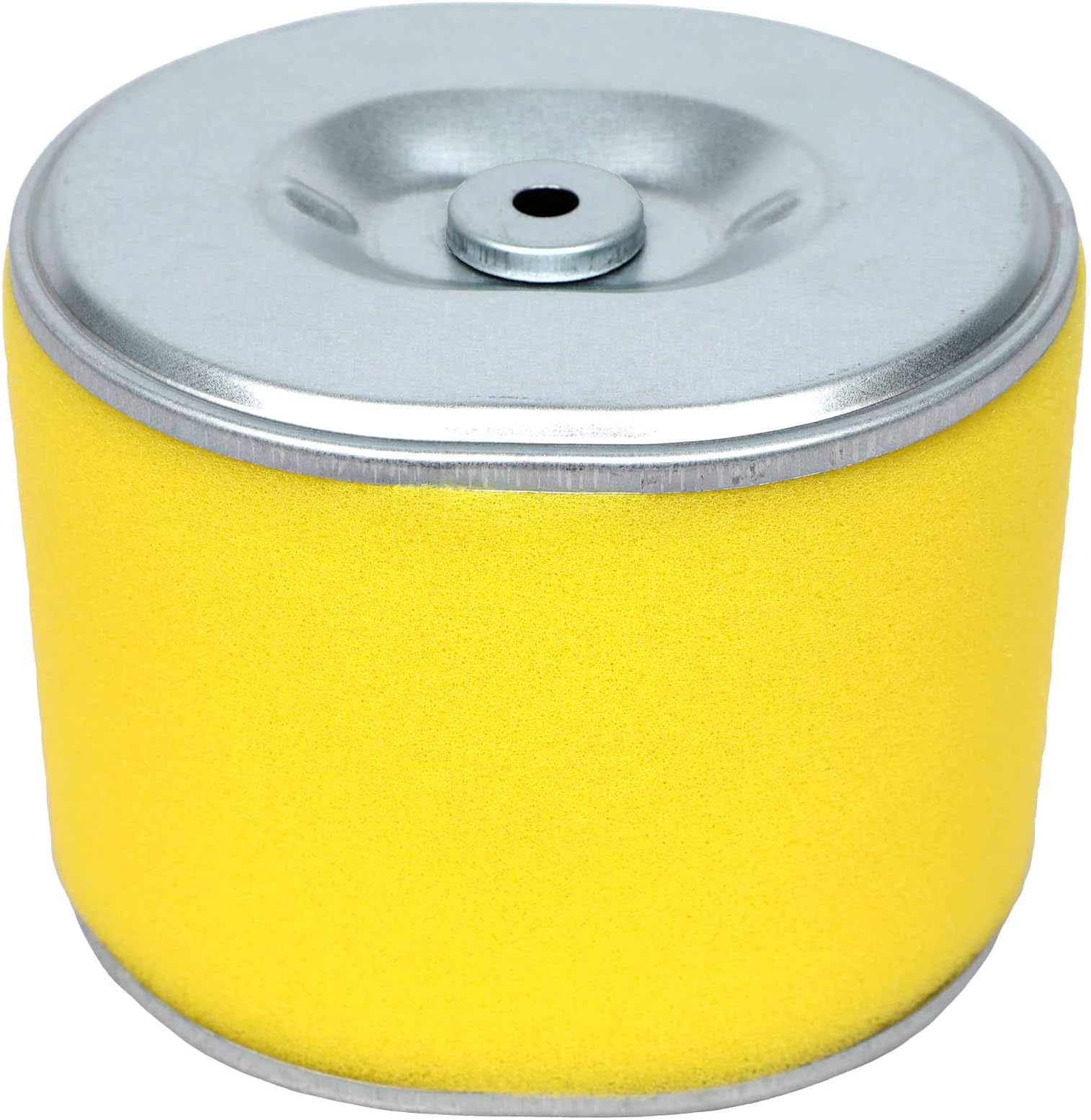
A case study conducted by the Power Equipment Manufacturers Association (PEMA) revealed that power washers with regularly cleaned or replaced air filters exhibited a 30% increase in fuel efficiency. This statistic highlights the importance of air filter maintenance, not just for performance but also for cost savings in fuel consumption.
In a test involving two identical power washers, one maintained with a clean air filter and the other with a neglected filter, the former completed a cleaning task in 20 minutes, while the latter took nearly 30 minutes. This not only demonstrates the efficiency gained through proper maintenance but also the potential for time savings.
Maintaining the air filter in your power washer is a simple yet vital aspect of ensuring optimal performance and longevity of the machine. Regular cleaning can enhance performance, fuel efficiency, and reduce emissions, while timely replacement prevents engine wear and tear. By following the DIY tips outlined in this article, you can keep your power washer operating smoothly, saving you time and money in the long run. Remember to consult your user manual for specific maintenance recommendations, and don’t hesitate to invest in quality replacement filters when necessary. A little attention to this often-overlooked component can lead to significant improvements in your cleaning tasks and the overall life of your power washer.